Why do some children participate… and others don't?
Looking beyond behavior
In the same environment, children can respond in completely different ways.
A look at how behavior often reflects a deeper need—not a problem to fix.
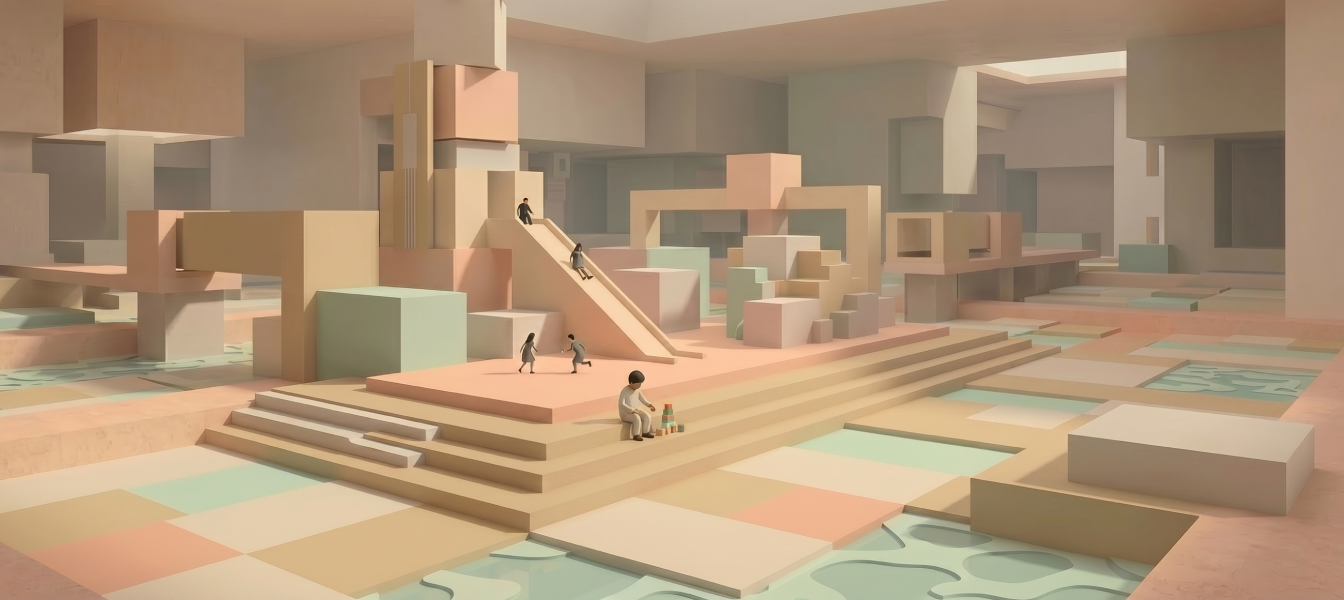
Same context, different responses
Have you ever noticed this?
You are watching a group of children.
Same environment.
Same activity.
Same adult guiding them.
And yet:
Some are fully engaged, curious, and present.
Others stay on the side, resist, or seem somewhere else.
I remember observing a small performance where these differences became so clear that I found myself just watching, noticing each child.
It is not just personality
We often say:
"He is shy."
"She is very active."
"He does not feel like it."
But is that enough?
Every child is expressing a need
Through Modern Chirology I learned to look differently.
Not at behavior as something to correct, but as something to understand.
When we observe this way, things become clearer:
A child who wants to stand out may not be "too much".
They may need to be seen.
A child who seeks closeness may not be "dependent".
They may need connection and safety.
A child who seems distracted may not be "unfocused".
They may already be ready for something else.
A child who repeats the same action may not be "slow".
They may be building confidence.
What we see is not always what it is
Behavior is often the expression, not the root issue.
When we do not see what is underneath, we risk misunderstanding the child completely.
In my work, I do not look for labels.
I look for patterns, tendencies, and the way a child experiences the world.
Most importantly, I look for what they need.
Because every child is a unique combination, not a label.
A question for you
Think of a child who resisted, withdrew, or seemed distracted.
What do you think was waiting to be understood?
Seeing differently changes everything
When we look beyond behavior, new possibilities appear.
If you’d like to look at it together, I’m available.